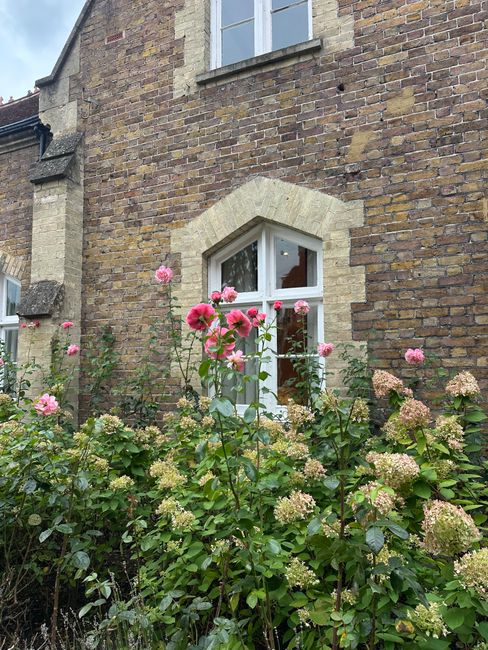
Before and after Blackwall front garden makeover by gardeners
If your front garden in Blackwall feels tired, patchy, or just a bit forgotten, you are not alone. A well-planned before and after Blackwall front garden makeover by gardeners can completely change how a home feels from the street, and not in a flashy, overdone way. The best front garden transformations are usually the quiet ones: cleaner lines, healthier planting, better access, tidier hard landscaping, and a finish that looks like it has always belonged there.
This guide walks through what actually happens in a front garden makeover, why it matters, how gardeners approach it, and what to expect before, during, and after the work. You will also find practical advice on costs, planning, common mistakes, and when a full redesign makes more sense than a simple tidy-up. Let's face it, the front garden is the first thing you see every time you come home. It deserves more than a shrug.
Why Before and after Blackwall front garden makeover by gardeners Matters
A front garden does a lot of work, even when you do not notice it. It frames the house, guides visitors to the entrance, and can either soften or sharpen the look of the property. In a place like Blackwall, where homes often sit close to pavements, paths, and street activity, the front garden has to balance looks with day-to-day practicality.
A makeover matters because a front garden can quickly drift into one of three states: cluttered, underused, or high-maintenance. The right gardener can bring it back to something that feels calm and intentional. Not just "tidy", but properly designed. That difference shows up in the before-and-after photos straight away. The old version might look crowded with mismatched pots, overgrown hedging, and tired lawn edges. The improved version feels open, balanced, and easy to live with.
There is also a value angle. A front garden makeover does not have to be expensive to look expensive. In fact, a good gardener knows when a simple reshuffle, hedge reduction, or lawn reset will do more than a full rip-out. That judgement is part of the craft. If you want a broader sense of what services can sit behind that kind of work, the services overview is a useful starting point, especially if your project may need several elements working together.
Practical summary: a front garden makeover is not just about "making it look nice". It is about improving flow, reducing maintenance, and creating a clearer first impression that suits the house and the street.
How Before and after Blackwall front garden makeover by gardeners Works
The process usually starts with a look at what is already there. Good gardeners do not begin by grabbing the biggest shovel available. They assess the shape of the space, the amount of light, drainage, boundary lines, access to the house, and which parts of the current garden are worth keeping. Sometimes the answer is "quite a lot". Sometimes it is "almost none of it".
From there, the work is split into phases. A simple makeover may involve clearance, pruning, edging, mowing, and replanting. A more ambitious one might add new turf, fresh borders, decorative gravel, a path, raised beds, or light landscaping changes. If the space needs a hard reset first, garden clearance is often the first practical step before design work begins.
The best before-and-after results usually come from a clear plan rather than a scattergun approach. That plan may include:
- clearing away dead growth, rubbish, and self-seeded weeds
- cutting back or reshaping hedges and shrubs
- repairing lawn issues or replacing tired turf
- reworking borders for structure and seasonal colour
- improving edging, access, or visibility near the entrance
- adding low-maintenance features where needed
If the makeover includes longer-term care, it makes sense to think beyond the one-off job. Ongoing garden maintenance can keep the front area from sliding back into the old pattern six months later. To be fair, that is where many good gardens are lost: not in the making, but in the keeping.
Key Benefits and Practical Advantages
A front garden makeover is not just visual polish. It changes how the property functions and how you feel about it. You notice it on the way out with the bins, on wet mornings, and when visitors arrive. Small thing? Maybe. But small things stack up.
Here are the main benefits people usually see after a well-done makeover:
- Better first impressions - the entrance looks cared for, not neglected.
- Lower day-to-day effort - less time spent battling weeds, uneven growth, and awkward maintenance.
- Clearer layout - paths, borders, and planting beds make more sense.
- Safer access - better visibility, tidier surfaces, and fewer trip hazards.
- Healthier planting - the right shrubs and flowers are easier to keep alive, which is always a good start.
- More usable space - even a small front garden can feel bigger when it is organised properly.
One benefit people often underestimate is emotional. A cleaner, greener front approach can make the whole house feel less stressful. That sounds a bit dramatic, maybe, but there is real value in opening the door to a place that looks cared for.
Where suitable, a makeover may also be a chance to connect related outdoor improvements. A neat front garden pairs well with landscape gardening or more structural landscaping if the existing layout needs real rearranging rather than a simple tidy-up.
Who This Is For and When It Makes Sense
This type of project is for homeowners who look at the front of the house and feel something is off, but cannot quite pin it down. It may be too busy, too bare, too shaded, or simply too difficult to look after. The good news is that those are all fixable. Usually.
It makes sense if you:
- want a cleaner and more welcoming entrance
- are preparing to sell or let a property and want a stronger presentation
- have inherited an overgrown front garden and need a reset
- are tired of spending weekends trimming, sweeping, and redoing the same jobs
- want a more modern, low-maintenance look
- need better access from pavement to door
It is also sensible after seasonal damage, long periods of neglect, or when plants have simply outgrown their space. If hedges are the main problem, hedge trimming can make a dramatic difference on its own, especially where the front boundary has become too dense or too tall.
Sometimes the job is less about "a makeover" and more about "giving the garden a proper rethink". That is a slightly different brief, but not a difficult one for an experienced team. In our experience, the most successful projects are the ones where the owner is honest about the current pain points. Overgrown? Say so. Dull? Say so. No time? Absolutely say so.
Step-by-Step Guidance
If you are wondering what happens from start to finish, here is the typical shape of a front garden makeover. It is not always linear, but this is the usual rhythm.
- Initial assessment
The gardener looks at the site, discusses the goals, and identifies what is staying, what is going, and what needs urgent attention. This may include checking soil condition, boundary issues, and the state of existing plants or hard surfaces.
- Clearance and preparation
Dead material, weeds, waste, and clutter are removed. If needed, the team may start with a deeper clear-out so the space is ready for design decisions rather than guesswork.
- Structure and layout decisions
This is where the shape of the garden is decided. Paths, edging, lawn size, planting zones, and focal points are chosen carefully. A good front garden usually needs a clear visual lead-in to the house.
- Cutting, shaping, and balancing
Hedges are trimmed, shrubs are reduced or reshaped, and any heavy growth is brought under control. This stage often creates the first visible before-and-after moment. A bit satisfying, honestly.
- Surface and planting work
Lawns may be levelled or improved, borders refreshed, and new plants added. In some projects, materials such as gravel or timber edging are used to sharpen the final result.
- Finishing and tidy-up
The area is swept, waste is removed, and the final details are checked. The garden should look finished, not just "worked on". That last 10 percent matters more than people think.
- Aftercare plan
The gardener should explain what needs watering, pruning, feeding, or monitoring in the first few weeks. If you skip this, even a very good makeover can fade faster than it should.
If you are working with a team that handles multiple outdoor tasks, it can help to view the project as part of a wider care plan. Services like lawn mowing and tree lopping and removal may be relevant where the front garden has larger growth, shade issues, or tree-related clutter affecting light and space.
Expert Tips for Better Results
The difference between an average makeover and a strong one usually lies in the details. Not the glamorous bits. The sensible bits. The little choices that make the whole thing feel settled.
- Keep the entrance clear - front steps, paths, and the route to the door should be obvious and uncluttered.
- Use repetition carefully - repeating a plant, colour, or shape creates calm. Too much variety can make a small space feel noisy.
- Think about maintenance honestly - if you do not enjoy weekly gardening, ask for a lower-maintenance plan from the start.
- Respect the scale of the house - tiny hedges or oversized pots can look awkward if they are out of proportion.
- Start with structure - borders, edges, and surfaces matter before the ornamental touches do.
- Allow room for growth - plants always get bigger. Always.
A useful rule of thumb: if the front garden looks great from one angle but messy from another, the design is not finished yet. Stand at the pavement, the door, and the nearest window. Check all three. It sounds simple because it is.
And do not underestimate lighting and drainage. Even a lovely design can fail if water pools near the path or the planting area stays soggy for half the year. Blackwall weather can be kind one minute and inconvenient the next, so a front garden needs to cope with both.
Common Mistakes to Avoid
Some front garden makeovers go wrong for reasons that are easy to avoid. Usually it is not because the idea was bad. It is because the details were rushed.
- Overfilling the space - cramming in too many plants, pots, or features makes a small front garden feel tighter.
- Ignoring maintenance - a high-design layout that no one can realistically care for will slide backwards quickly.
- Choosing plants for looks only - attractive plants that dislike the site will become a headache.
- Leaving awkward edges - ragged borders and unfinished corners make the whole project look less polished.
- Forgetting visibility - especially near entrances, windows, and driveways.
- Trying to do everything at once - sometimes a phased approach is smarter and kinder to the budget.
Another mistake is skipping the "before" stage thinking the gardener will just magically sort it. They will help, of course, but the stronger the brief, the better the result. If you have a clear idea of what you hate about the current space, say that plainly. No need to be poetic.
Tools, Resources and Recommendations
You do not need to turn into a gardener yourself, but it helps to know what a professional team may use and recommend during a makeover. That makes the process less mysterious and helps you ask better questions.
Common tools and resources may include:
- hedge trimmers and pruning tools for shaping growth
- lawn mowers and edging tools for neat ground lines
- spades, forks, and soil improvement materials
- wheelbarrows and waste bags for clearance work
- string lines or visual markers for setting out new borders
- mulch, gravel, or edging materials for finishing touches
Recommendations vary depending on the site, but it is usually wise to ask about three things: how the garden will be maintained, what the long-term upkeep looks like, and whether any of the improvements need seasonal attention. A garden that looks brilliant in April but struggles by late summer is only half a win, really.
If you are comparing service options or want to understand how jobs are typically priced and scoped, the pricing and quotes page can help set expectations before you commit to anything.
For households that care about waste handling and greener methods, it is also sensible to ask how arisings and green waste are managed. The company's recycling and sustainability approach may matter more than you think, especially on larger front-garden clearances.
Law, Compliance, Standards, or Best Practice
For most front garden makeovers, the key point is not a pile of legal complexity. It is sensible best practice and a bit of care around safety, boundaries, and access. If work affects pavements, visibility, tree roots, or boundary structures, gardeners should proceed carefully and with respect for the property and surroundings.
In the UK, good practice usually means:
- keeping paths and access routes as safe as possible during work
- handling waste responsibly
- avoiding damage to boundary walls, fences, and neighbouring areas
- using equipment properly and safely
- being honest about what can and cannot be achieved in the space
If trees are involved, especially near the front boundary, extra caution is wise. Tree work can have practical and safety implications, so it should be assessed properly rather than treated as a quick fix. If a project involves significant tree reduction or removal, it is sensible to check whether specialist help is needed.
Homeowners should also expect a professional team to work with clear terms, sensible insurance, and proper safety awareness. Those are not "nice extras"; they are part of trusting someone to work at the front of your home, often close to the street. If you want to understand the company's approach in more detail, their insurance and safety information and health and safety policy are relevant reads.
A small note, because it saves headaches later: if the project is near boundaries, shared access, or communal edges, talk it through before the first cut is made. A five-minute conversation can prevent a five-week irritation.
Options, Methods, or Comparison Table
Not every front garden needs a full makeover. Sometimes a targeted refresh is enough. Other times, the garden has simply outgrown its old shape and needs a more serious rebuild. Here is a simple comparison to help you judge the scale of work.
| Approach | Best for | Typical outcome | Maintenance level |
|---|---|---|---|
| Quick tidy-up | Light overgrowth, seasonal refresh, basic curb appeal | Cleaner and neater, but layout stays the same | Low to medium |
| Focused makeover | Messy borders, tired lawn, uneven hedges, poor entrance flow | Visible transformation with better structure and balance | Medium |
| Full redesign | Severe neglect, awkward layout, major access or drainage issues | New structure, new planting, potentially new hard landscaping | Varies depending on design |
If you are unsure which route to take, ask yourself a simple question: do you want the garden to look better, or do you want it to function better as well? That usually tells you whether a refresh or a redesign is needed. Sometimes both. Of course.
Case Study or Real-World Example
Here is a realistic example based on the sort of project gardeners often see in Blackwall. A narrow front garden had become overgrown with a tall hedge, tired shrubs, patchy grass, and a border that had more weeds than flowers. From the street, the house looked hidden rather than welcoming. The owners said the front garden always felt like a chore, which is a pretty common story.
The makeover began with clearance and trimming. Dead material came out, the hedge was reshaped, and the front edge of the lawn was defined properly. A few plants were kept, but only the ones that still worked with the space. The rest were replaced with simpler, more resilient planting. The border was reduced so it did not swallow the path, and the entrance line was made clearer.
After the work, the difference was not dramatic in a loud way. It was better than that. The house felt open again. The path looked wider. The front door became the focal point, not the hedge. And maintenance became manageable rather than endless. That is often the real goal: a garden you can live with, not just admire for one afternoon.
When projects like this are handled well, they tend to set up the home for the future too. A straightforward front garden is easier to keep neat, easier to water, and easier to improve again later if needed. Little wins add up.
Practical Checklist
Use this checklist before starting a front garden makeover or when reviewing the finished result.
- Clear goal: Do you want the space tidier, lower-maintenance, more modern, or all three?
- Keep or remove: Have you decided which plants, pots, and features stay?
- Access: Is the path to the front door easy to use during and after the work?
- Boundaries: Are hedges, fences, and walls in a good enough condition to leave as they are?
- Plant choice: Are the selected plants suitable for the light and exposure?
- Upkeep: Will you realistically maintain the new look?
- Waste removal: Is there a clear plan for green waste and debris?
- Aftercare: Do you know what needs watering, pruning, or checking in the first few weeks?
- Budget: Have you separated essentials from nice-to-haves?
- Final look: Does the garden look neat from the pavement, the door, and the window?
If all ten boxes are in decent shape, you are in good territory. If several are not, that is fine too - it just means the plan needs a bit more thought before work begins.
Get a free quote today and see how much you can save.
Conclusion
A well-planned front garden makeover can transform a Blackwall property in a way that feels calm, smart, and lasting. The best results do not shout. They simply make the house look more cared for, more welcoming, and easier to live with every day. That is the real value of a strong before-and-after change.
Whether you need hedge reshaping, clearance, planting, or a more complete redesign, the key is to start with a clear brief and a realistic plan. Keep the layout simple where possible, choose materials and plants that suit the space, and think ahead to maintenance. It does not need to be complicated. Just well judged.
If you are considering a bigger refresh, it can help to learn a little more about the people doing the work. The about us page gives useful context on the team behind the service, and if you already know what you want, the contact us page is the obvious next step.
In the end, a front garden should make coming home feel a bit better. Not perfect. Just better. And sometimes that is exactly what changes everything.
Frequently Asked Questions
What does a front garden makeover usually include?
It usually includes clearance, hedge or shrub trimming, lawn improvement, border reworking, new planting, and tidying the entrance area. Some projects also include small landscaping changes for structure and access.
How long does a front garden makeover take?
That depends on the size of the garden and how much work is needed. A light refresh may be completed quickly, while a fuller redesign can take longer because clearance, shaping, planting, and finishing all need proper time.
Is a makeover worth it for a small front garden?
Yes, often more so. Small front gardens benefit a lot from smart layout choices, clean edging, and reduced clutter. A small space can look dramatically better when it is not overloaded.
What is the difference between garden clearance and a makeover?
Garden clearance is about removing overgrowth, waste, and unwanted material. A makeover goes further by improving the layout, appearance, and long-term use of the space.
Can gardeners make a front garden low maintenance?
Yes. They can choose suitable planting, simplify borders, improve edging, and reduce features that need constant attention. Low-maintenance does not have to mean plain or boring, which is nice.
Will I need landscaping work as well?
Sometimes. If the front garden has poor structure, awkward levels, or a layout that no longer works, landscaping may be part of the solution. If it only needs cleaning up, a lighter approach may be enough.
How do I know if my front garden needs a full redesign?
If the layout feels awkward, the plants are in the wrong places, access is poor, or the garden is difficult to maintain, a full redesign may make more sense than another tidy-up.
What should I ask a gardener before the work starts?
Ask what will be kept, what will be removed, how waste will be handled, what the maintenance level will be afterwards, and whether the design suits the conditions of the site.
Can hedges and trees affect the result?
Absolutely. Overgrown hedges can block light and make a front garden feel smaller, while trees can affect shade, debris, and access. Proper trimming or specialist work can make a big difference.
How do I keep the garden looking good after the makeover?
Stay on top of watering, weeding, light pruning, and mowing where relevant. A regular maintenance plan is usually the easiest way to protect the new look and avoid slipping back into the old pattern.
Is it possible to combine the front garden makeover with other services?
Yes. Many projects work better when garden maintenance, hedge trimming, lawn care, or even decking-related improvements are considered together, rather than as separate jobs done months apart.
Where can I learn more about the company and its service standards?
You can review the company's services overview, along with pages covering safety, sustainability, and pricing. That gives a better sense of how the work is approached from start to finish.