Hedge Trimming in Blackwall

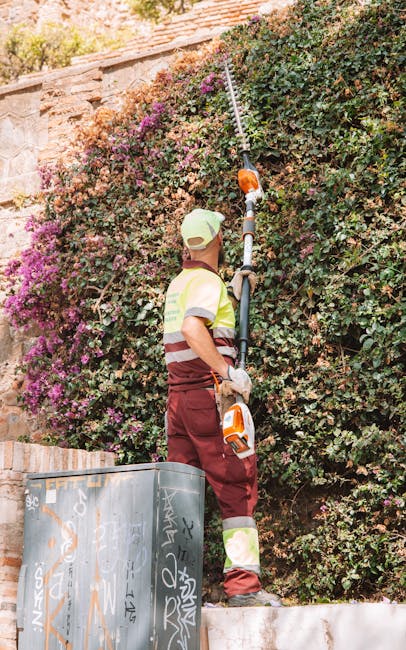
Hedge trimming in Blackwall is a practical way to keep formal boundaries neat, encourage healthy growth and maintain a tidy finish along gardens, forecourts and shared outdoor spaces. Our service focuses on shaping hedges with care, removing overlong growth and leaving a defined profile that suits the plant species and the setting. Whether the aim is a light seasonal tidy or a more thorough reduction, the work is planned around the hedge’s condition and the result you want.
We trim a wide range of hedge types, including dense evergreens, mixed boundary planting and managed feature hedges where a sharper line is preferred. The work can include selective cutting, height correction, face shaping and clearing away the trimmings once the cut is complete. Attention to detail matters here, because the quality of the finish affects both appearance and future regrowth. If you are comparing options, ask for a quotation and share the hedge type, approximate length and access details so the scope can be judged properly.
For properties where hedges form part of a wider outdoor maintenance plan, it can help to combine trimming with other garden tasks. Our garden maintenance page outlines how regular care can support a consistently tidy finish, while the garden clearance page may be useful where cuttings, overgrowth or neglected corners need more than a simple trim. If you are planning a refresh, a straightforward conversation about the planting and the finish you want is usually the best starting point.
What our hedge trimming service covers
Good hedge trimming is not only about shortening growth. It is about restoring a clean outline without leaving the hedge ragged, uneven or stressed. We work to maintain the natural form of the plant where that is appropriate, while also producing crisp edges for more formal boundaries. In practice, that means considering the hedge’s density, the previous cut, the season and whether the plant needs a light surface trim or a deeper reshape.
Our services overview is a useful starting point if you want to see how hedge trimming sits alongside other outdoor work. For example, a hedge that has grown beyond its usual bounds may benefit from a broader landscaping discussion, especially where the surrounding garden layout has also become untidy. You can review landscaping and landscape gardening if the job involves more than cutting the hedge itself and you want the wider space improved as part of the same plan.
When a hedge is being trimmed for visibility, boundary definition or simple neatness, the finish should suit the property rather than look overworked. We can work to keep growth even on both sides, reduce straggling shoots and lift the visual line where necessary. A well-cut hedge should still look alive and healthy after the work is done, not stripped back to the point where it appears patchy or heavily shocked.
Shaping, reduction and routine hedge care
Some hedges only need a routine trim, while others need reshaping because their growth has become bulky or uneven. Our trimming work can address top-heavy sections, side bulges and awkward transitions where one part of the hedge has outpaced the rest. This is especially useful when a boundary line should stay consistent across a long run, or when a decorative hedge needs to retain a deliberate profile through the seasons.
We also consider the practical effect of the cut. Reducing excessive width can help a path or driveway feel less enclosed, while keeping the top level can improve the overall look of the boundary from street side or garden side. If your hedge is part of a structured garden, the trimming approach may be different from a softer, informal planting line. For that reason, it helps to choose a service that can adapt the cut rather than apply the same treatment everywhere.
Garden maintenance can include regular attention to hedges, but trimming requirements sometimes overlap with tree work when larger branches have grown into the hedge line. In those cases, tree lopping and removal may be relevant where heavier woody growth needs to be dealt with before the hedge can be properly finished. We do not treat every job the same way; the aim is to match the work to the plant’s size, shape and condition.
Access, access constraints and preparing for a quotation
Before a hedge is trimmed, it is useful to think about access around the boundary, the length of the run and whether there are obstacles such as slopes, narrow side paths or fixed features close to the hedge. These details affect the method and the amount of time required. If you are asking for a quotation, a few clear notes about the hedge position and the finish you want will make it easier to give a realistic view of the work involved.
Photos can also help where the hedge line is irregular, especially if the top and both faces need attention. If you are not sure how much of the hedge should be reduced, describe the current condition and the outcome you are trying to achieve rather than guessing a precise cut. Clear instructions are useful, but so is leaving room for professional judgement when the hedge has outgrown its usual shape or when different sections need different treatment.
If you would like to request a quotation, use the contact route that suits you best and include any useful detail about the hedge species, approximate size and whether waste removal is needed. You can also look at contact us when you are ready to discuss the job in more detail. For customers who want to understand how pricing is put together before they enquire, pricing and quotes gives a helpful overview of the factors that can affect the final figure.
Clean finishes for front gardens, back gardens and shared boundaries
Hedges in different parts of a property often need different handling. A front boundary may call for a sharper, more presentable line, while a rear garden hedge may be maintained for privacy and enclosure without needing an especially formal finish. Shared boundaries can require even greater care, because the shape should remain balanced and the work should be planned around the hedge’s role on both sides. The right trim improves appearance without making the hedge look forced.
Where hedges sit beside paths, fences or planting beds, trimming has to take account of surrounding features. Overcutting near young shoots can leave visible gaps, while leaving the side growth too thick can cause the hedge to lose definition. A thoughtful cut keeps the outline readable from a distance and helps the hedge remain manageable on the next visit. If the planting has become too dominant for the space, the work may need to be combined with broader garden decisions rather than a simple tidy-up.
If your hedge forms part of a larger garden refresh, you may find it useful to compare lawn mowing and garden clearance as part of the same schedule. For properties where hedges, lawns and borders all need attention, combining tasks can create a more coherent finish than treating each area in isolation. That approach also makes it easier to decide which work is genuinely needed now and which can wait.
Waste handling and seasonal cutting choices

Cut hedges can create a surprising amount of waste, especially after a full-width trim or where the hedge has been left to run for several seasons. We can factor waste removal into the job where required, so the finished space is left clear and ready to use. The volume of cuttings depends on the hedge type, the length of the run and how much material has to come off. That is one reason why a useful quotation needs a realistic description of the hedge itself.
Seasonal timing also influences how the work is approached. Some hedges respond well to regular light trimming, while others benefit from less frequent but more considered cutting. The aim is always to preserve the hedge’s health while keeping the boundary neat. Cutting too hard, too often or at the wrong point in the growth cycle can undermine the result, so the method should suit the planting rather than simply chasing a cosmetic finish.
For outdoor work that goes beyond hedge trimming, recycling and sustainability may be relevant where green waste handling is an important part of your decision. If the hedge is part of a wider property improvement, decking services may also be worth reviewing for adjacent areas that need resurfacing or a more structured outdoor layout. These pages can help you compare related options before you decide what to include in one visit.
About Blackwall
Blackwall is a riverside district in the East End of London, on the Isle of Dogs peninsula within the London Borough of Tower Hamlets. It takes its name from the dark stone or mud wall that once ran along the river frontage, and for centuries the area was closely linked with shipping, dock activity and the maritime economy of the Thames. Its position on a bend of the river helped shape both its working character and its development over time, with water, industry and transport all leaving clear marks on the local landscape. The district sits near the eastern side of the Isle of Dogs and is connected by road and public transport to neighbouring parts of east and south-east London. Blackwall Tunnel, one of the best-known crossings beneath the Thames, opened in stages in the nineteenth and early twentieth centuries and remains an important part of the area’s identity. In contrast to the old dockside setting, much of the surrounding environment now includes modern housing, regenerated waterfront spaces and newer commercial buildings, yet traces of earlier history are still visible in street names, river views and the broader layout of the neighbourhood. The locality also sits close to the Isle of Dogs’ docklands heritage, with Canary Wharf and the wider Docklands area influencing the skyline and the pattern of movement around the district. For many visitors and residents, the river is still central to how the place is understood: it frames views, anchors the historical narrative and links Blackwall to the long story of the Thames as a working waterway. The result is an area that combines older maritime associations with a contemporary urban character, shaped by both its past and its ongoing place within London.
Hedge maintenance for managed outdoor spaces
Some properties need hedge trimming as part of a planned maintenance schedule rather than as a one-off correction. In those settings, consistency matters: the hedge should be kept to a sensible line before it becomes difficult to manage, and the cut should support steady regrowth rather than force a dramatic change each time. That approach is often better for the overall appearance of the garden and helps avoid the uneven look that can develop when trimming is delayed for too long.
We can adapt the work to the planting’s role in the space. A hedge used for privacy may need to stay fuller lower down, while a decorative hedge may need a neater top line and more exact edges. The finish should suit the garden, not just the dimensions on paper. If the hedge is one element in a broader outdoor plan, it may also be sensible to consider whether neighbouring features need attention at the same time, so the overall result feels deliberate.
For a wider improvement plan, landscape gardening and landscaping can provide useful context when you are deciding how far to take the work. If you want to combine hedge trimming with other tasks, our services overview can help you think through the available options before you request a quotation. That makes it easier to keep the work proportionate to the space and the result you want.
Choosing the right scope for your hedge

It is worth deciding whether your hedge needs a straightforward tidy, a more noticeable reduction or a shape correction that improves the line on both sides. Each option involves a different amount of cutting and may suit different hedge varieties. A compact hedge with regular maintenance often needs only a clean surface trim, while an older or denser hedge may need selective work to bring the outline back under control without exposing bare patches.
The scope of work can also depend on whether the hedge is intended to be formal or informal. Formal hedges usually benefit from even lines and a precise top, whereas looser planting can look better with a softer hand. In either case, the purpose is to achieve a balanced result that feels deliberate. If the hedge is already under stress, the safer option may be a measured approach that restores the line over time instead of removing too much at once.
When the job involves a larger section of garden or a boundary that needs more than trimming alone, garden maintenance is a sensible reference point because it covers the broader routine of keeping outdoor areas in order. If branches from nearby trees are affecting the hedge line, tree lopping and removal may be more relevant for dealing with the source of the problem before the hedge is finished properly.
Request a quotation for hedge trimming in Blackwall
If you would like hedge trimming in Blackwall, we can discuss the hedge, the length of the run and the result you want so the quotation reflects the real scope of the work. The most helpful enquiries include basic details about hedge height, access, whether waste should be taken away and whether the cut is for routine upkeep or a more noticeable reduction. That information makes it easier to judge the method and provide a sensible response.
You do not need to overcomplicate the first message. A brief description of the hedge, plus any relevant photos, is often enough to start the conversation. From there, the work can be considered in practical terms rather than guessed at. If the hedge is one part of a larger outdoor project, it can help to mention that too so the quotation can be shaped around the full scope rather than a single line of growth.
For the next step, please send your details and contact us to request a quotation for hedge trimming. If you want to compare related policies before you proceed, health and safety policy and insurance and safety are available for reference. When you are ready, we will help you move from an outline of the hedge to a clear plan for the work.